
Origin Of
HariBhakti Pedhi
The transition from the Parikh surname to Haribhakti is a story of identity, dedication, and devotion. In 1762, visionary brothers Shri Haribhai and Shri Bhaktidas founded a mercantile firm in Pune, expanding it to Baroda in 1771. They named it Hari-Bhakti Pedhi, blending their first names: “Hari” and “Bhakti.” “Hari” refers to Lord Vishnu, while “Bhakti” signifies sincere devotion.
The firm, overseeing trade between Pune and Baroda, reflected their spiritual values as much as their commercial ambition. Over the generations, the family adopted Haribhakti as its surname, a name that came to embody both entrepreneurial energy and steadfast faith. Today, Haribhakti stands as a proud symbol of the family’s enduring values, rich culture, heritage, and distinctive legacy.
The Founding Diamonds
Haribhai and Bhaktidas, visionary sons of Sheth Shri Laxmidas, rose to prominence in the 18th century as pioneering bankers amid political upheaval and economic transformation. Complementary in temperament Haribhai energetic and bold, Bhaktidas calm and strategic they took charge of the family business after their father’s and elder brother’s passing. In 1762, they founded Hari-Bhakti Pedhi in Pune, blending their names and values.
Their integrity and financial acumen won the confidence of both the Peshwas and the Gaekwads, who appointed them as potedars (state bankers). The firm managed state finances, issued hundis, and supported trade across western India, laying the foundation for the
Haribhakti family’s influence in finance, politics, and society. By the late 18th century, the Pedhi had become chief creditor to Baroda State. Both brothers had passed away by 1796, leaving a lasting legacy of resilience, trust, and enterprise.
Ratanbai Haribhakti
Ratanbai was like a rose graceful, passionate, and full of vitality and was especially revered for her warmth toward the Gaekwads. In 1796, the Haribhakti family lost its founding pillars, Shri Haribhai and Shri Bhaktidas. Stepping into the void with quiet strength, Ratanbai widow of Bhaktidas took charge of the firm, guiding it through a critical transition with help from Shyamaldas in Baroda and Durlabh Das in Pune.
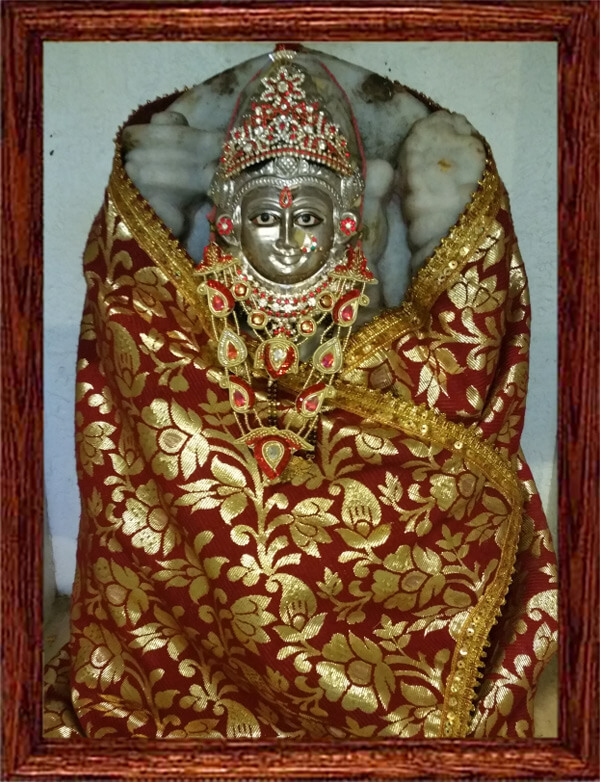
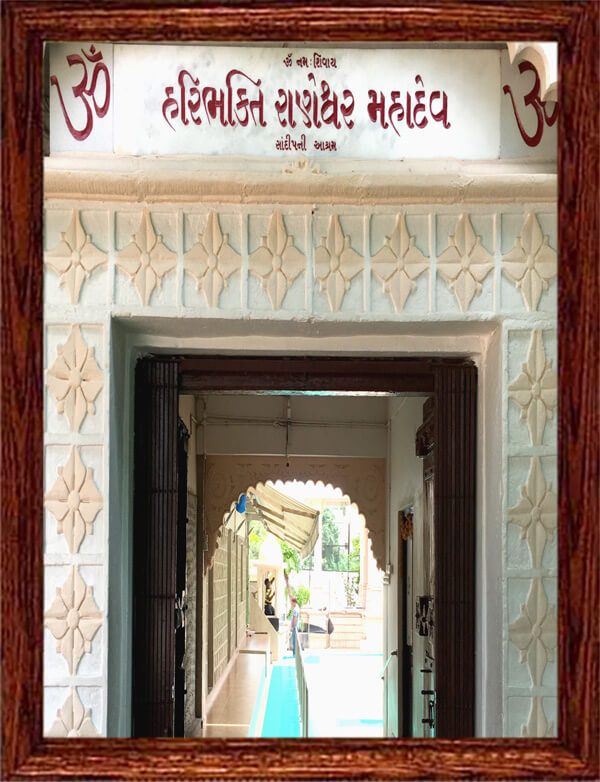
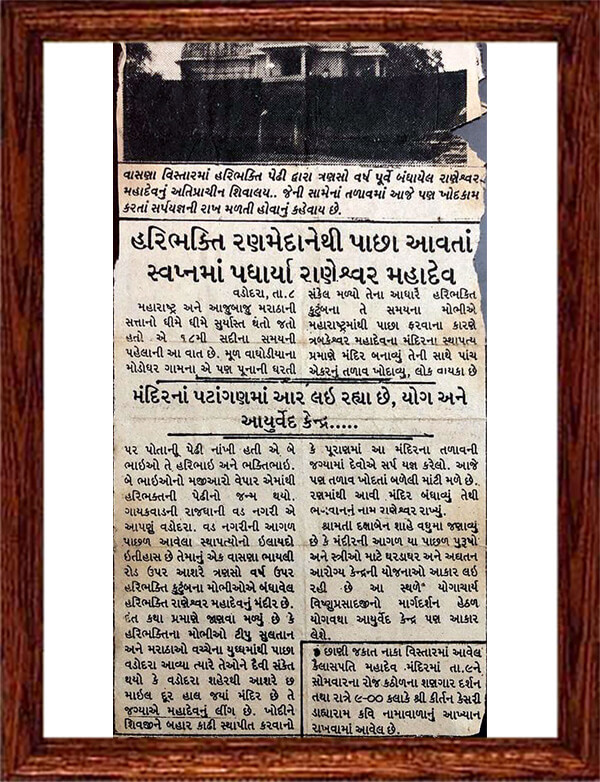
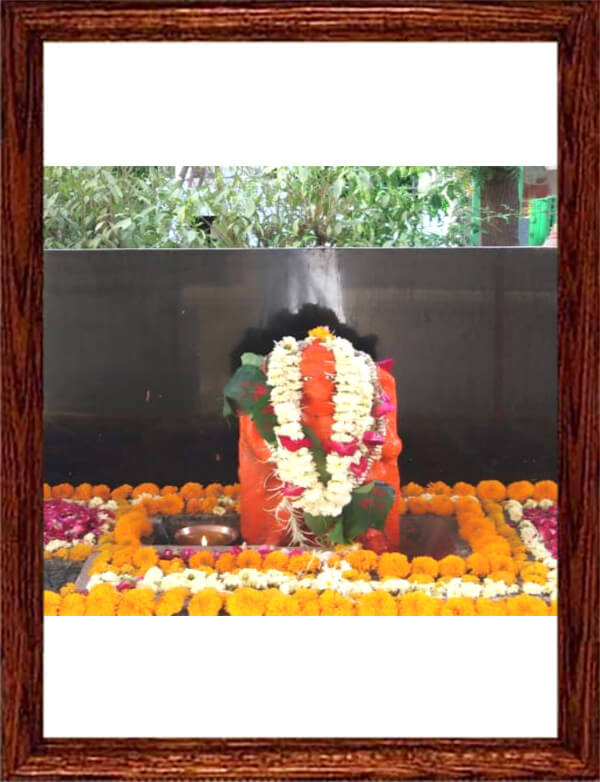
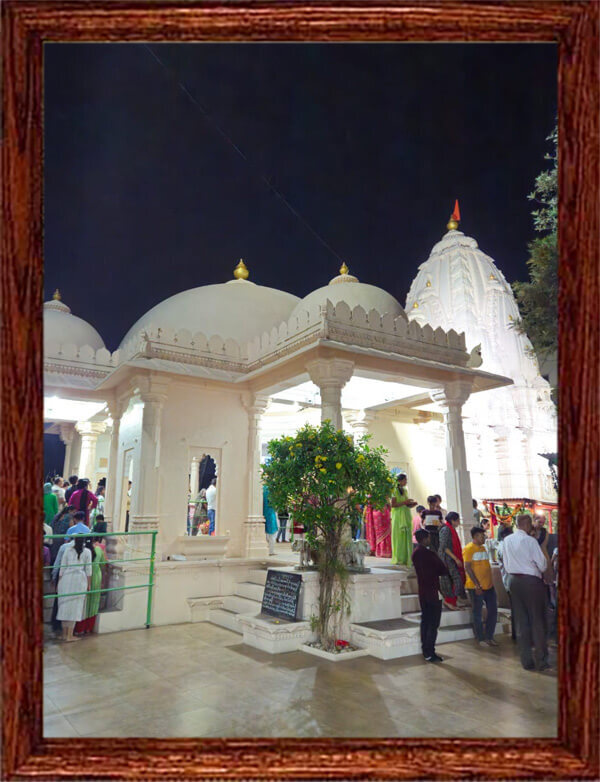
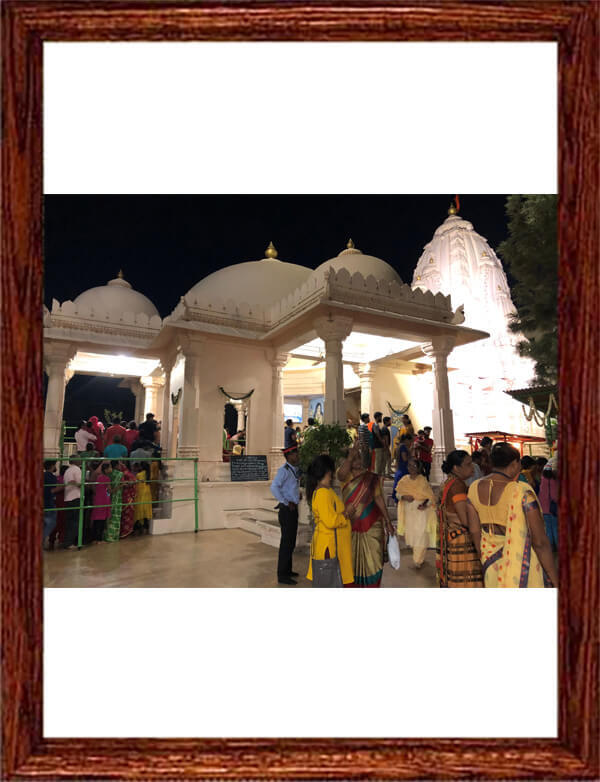
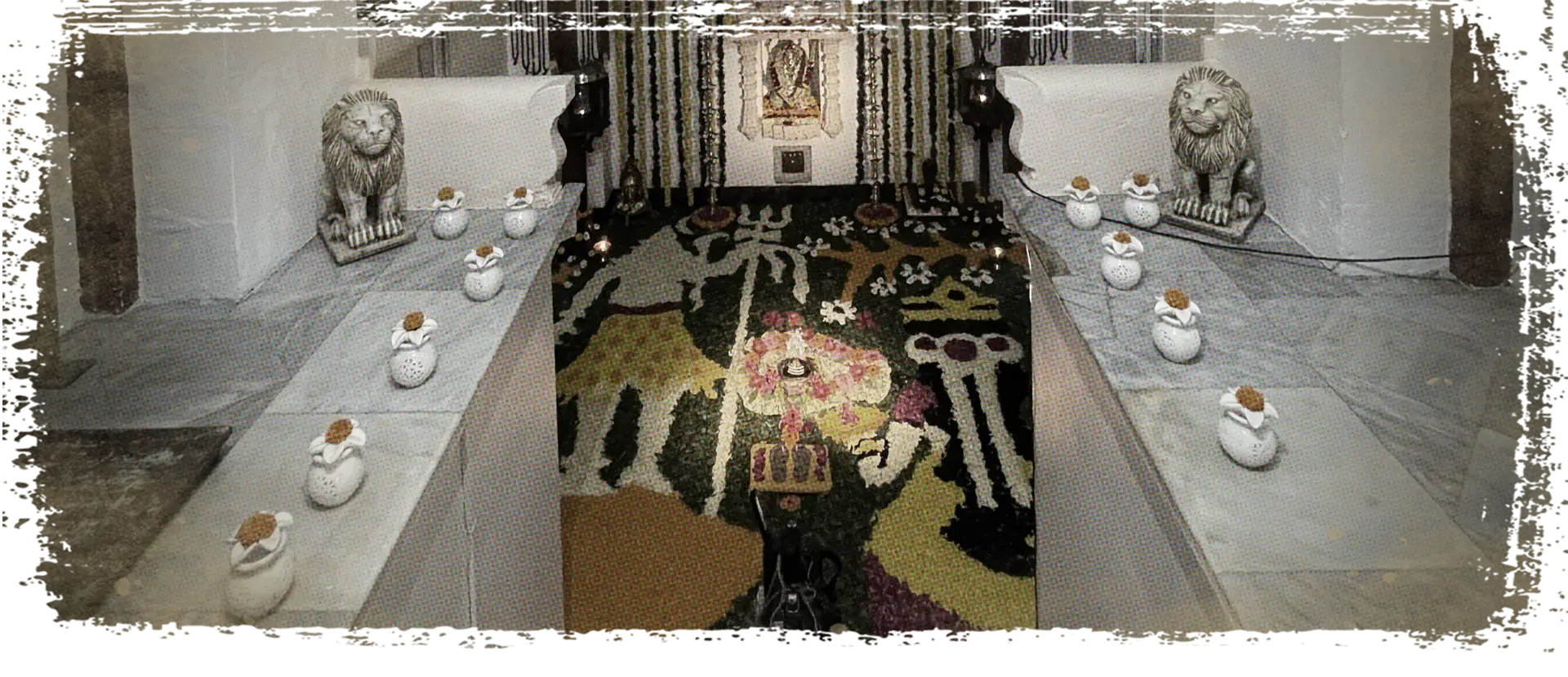
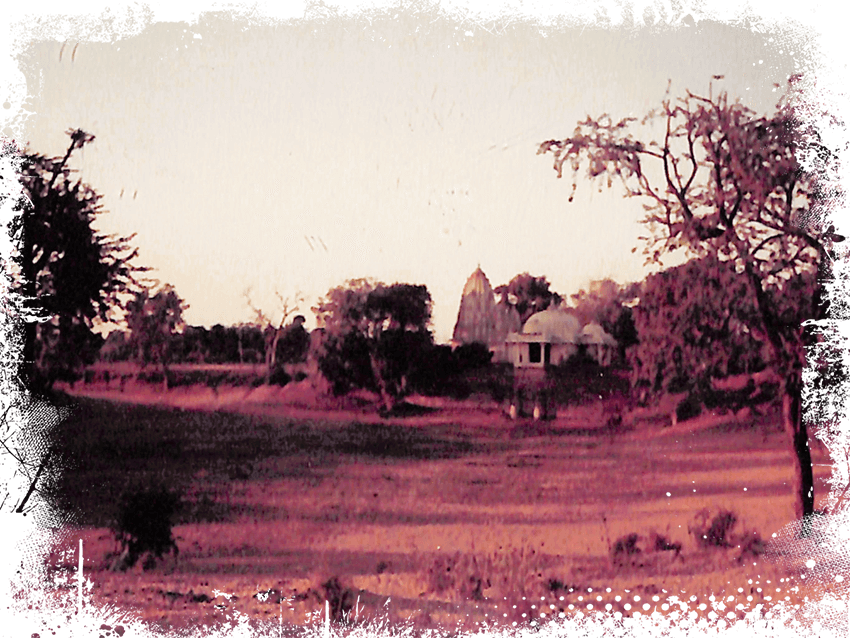
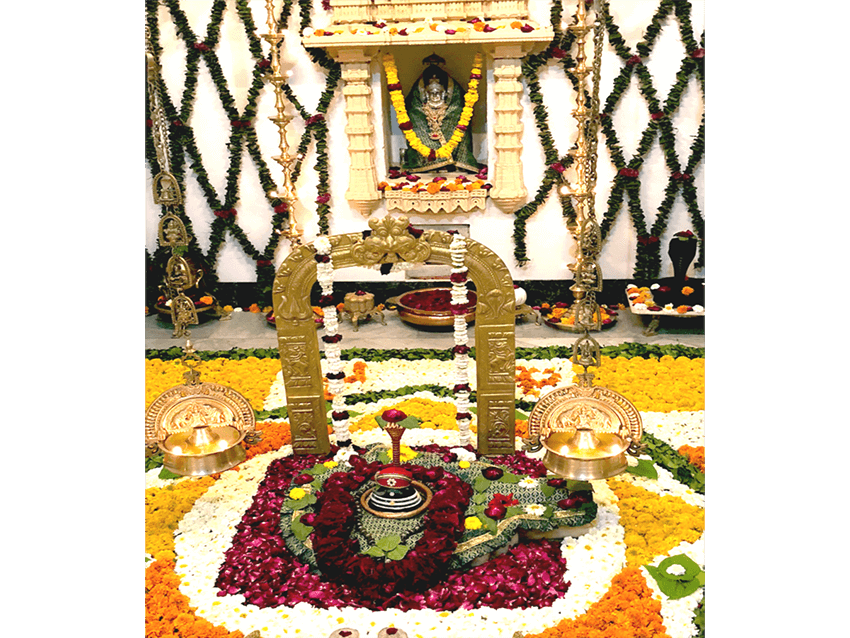
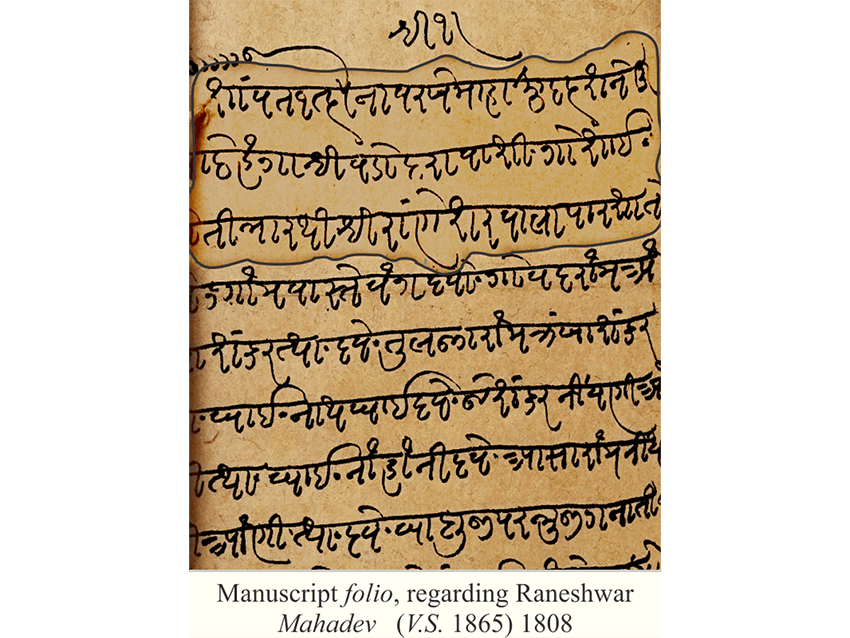
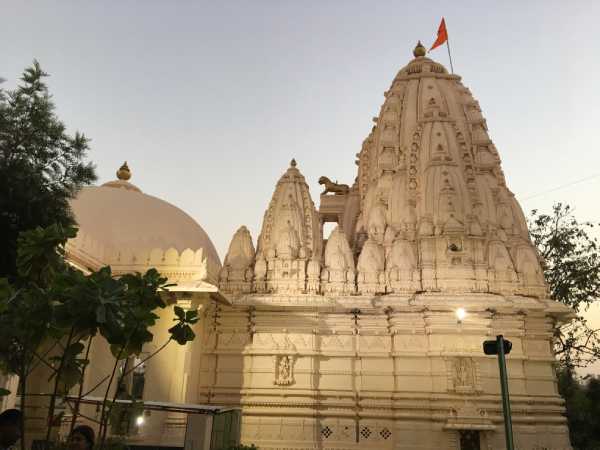
One night, Ratanbai dreamt she was to build a temple for a hidden Shivalinga buried six miles from the Haribhakti Haveli, along the Vasna-Bhayli road near a lake. As a follower of the Pushtimarg tradition, she initially dismissed the vision, but when it recurred for three consecutive nights, she decided to act. Excavation revealed a rare and sacred Shivalinga, and after years of devoted effort she erected a magnificent temple the Raneshwar Temple of which she is the revered founder. It remains a spiritual beacon, drawing thousands of devotees to this day.
Our Ancestors

Maganbhai Haribhakti
In 1862, Shri Maganbhai Haribhakti fifth-generation heir to the family Pedhi assumed leadership while still young but well-trained. Guided by his mother Rukshmanibai, he earned a reputation for honesty, foresight, and social commitment. His support proved pivotal in securing the throne for Maharaja Sayajirao III, ushering in Baroda’s golden age. A reformer
at heart, Maganbhai fought to eliminate unjust practices and served actively in both civic and royal affairs.
He joined the Baroda Pedhi Company in 1884 and became one of the first directors of the
Bank of Baroda in 1908. During Maharaja Sayajirao’s Silver Jubilee, he received the
Rajratna gold medal for his public service. Maganbhai passed away at 75, leaving behind a
large, respected family.

Dahyabhai Haribhakti
Dahyabhai Haribhakti the sixth-generation head of the family steered the Pedhi through turbulent years with clear-headed logic. He petitioned the government for grants and annuities, even after Baroda State reclaimed half of Goriyad village and cut payments. A committed social worker, he remained active in public welfare and served on the management committee of the Gujarat Sahitya Parishad. He passed away on 25 September 1934.

Ratanlal Haribhakti
At 41, Ratanlal Haribhakti became Nagarsheth and emerged as a trusted aide to the Gaekwads. He helped organize Maharaja Pratapsinghrao Gaekwad’s 1939 coronation earning the title Rajmitra and mediated during civic unrest, notably opposing police firing in 1942. He spoke out against burdensome taxes, backed Baroda’s merger with India, and balanced public life with deep spirituality, practicing yoga and leading daily prayers. Despite his influence, he remained humble and devoted to service.

Bapalal Haribhakti
A pivotal figure in the textile industry, Bapalal Haribhakti served as director of several mills early in life. A devout family man, he brought prosperity and openness to the household while engaging actively in cultural organizations such as the Baroda Landlord Association and Avdhoot Mahamandal.

Rajendrabhai Haribhakti
The youngest of four brothers in the sixth generation, Rajendrabhai Maganbhai Haribhakti was known for his calm, disciplined, and devout nature. He supported his brothers in business but died young on 20 June 1935.